

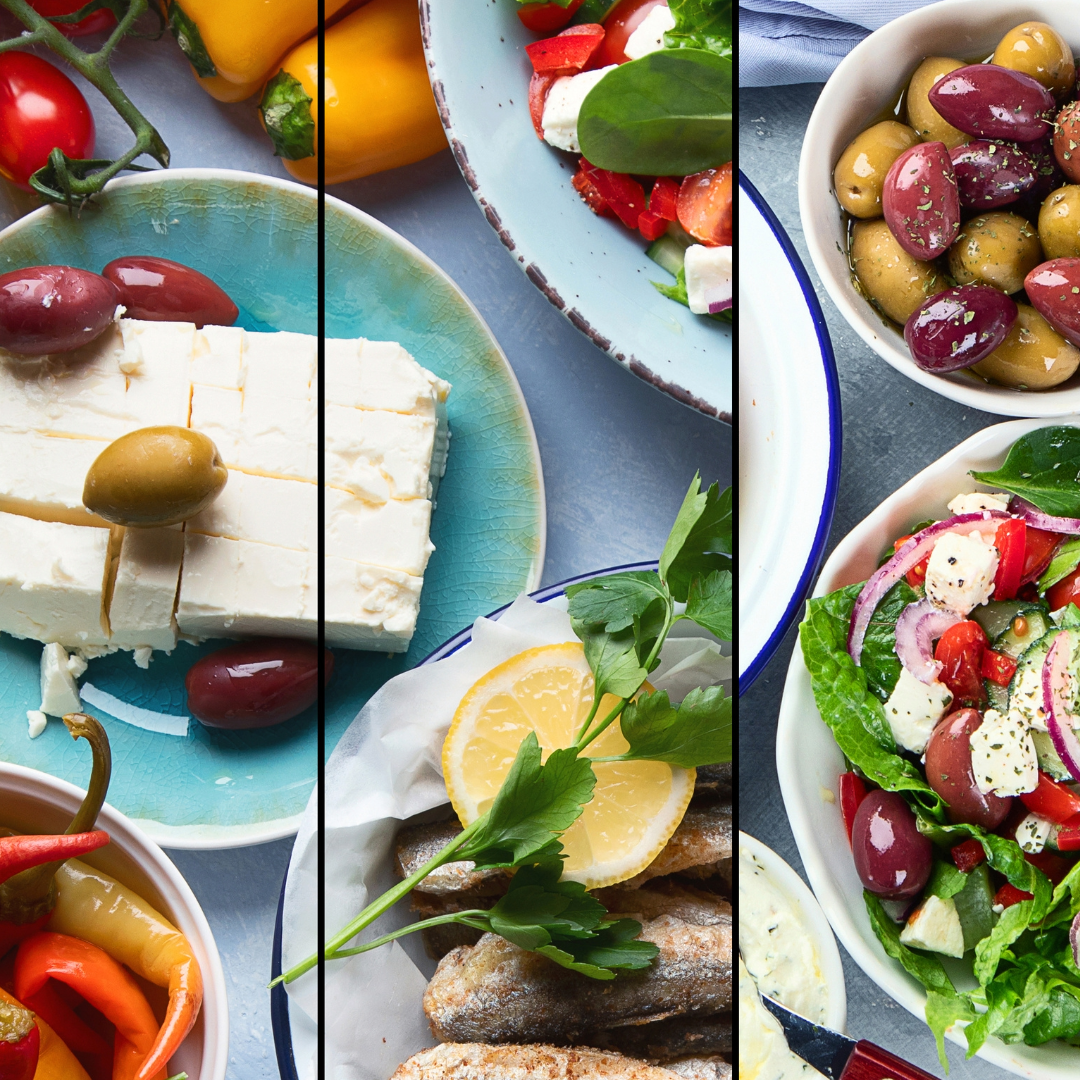
The Dietary Approaches to Stop Hypertension, commonly known as the DASH diet, is a dietary plan specifically designed to help manage and prevent hypertension (high blood pressure). Developed by the National Heart, Lung, and Blood Institute (NHLBI), the DASH diet emphasizes a balanced approach to eating, focusing on foods rich in nutrients that are known to lower blood pressure. Since its inception in the 1990s, the DASH diet has gained widespread recognition for its effectiveness in promoting heart health and overall well-being. This comprehensive essay will delve into the principles, benefits, recommended foods, and potential drawbacks of the DASH diet.
Principles of the DASH Diet:
The DASH diet is characterized by its emphasis on consuming a variety of nutrient-rich foods while limiting sodium intake. Its principles are rooted in scientific evidence showing that certain dietary patterns can significantly influence blood pressure levels. The key principles of the DASH diet include:
- Rich in Fruits and Vegetables: Fruits and vegetables are central to the DASH diet, as they are excellent sources of essential vitamins, minerals, and antioxidants. These foods are also naturally low in sodium and fat, making them ideal for promoting heart health and reducing blood pressure.
- Moderate in Whole Grains: Whole grains provide fiber, which aids in digestion and helps regulate blood sugar levels. The DASH diet encourages the consumption of whole grains such as brown rice, quinoa, oats, and whole wheat bread, which offer more nutrients compared to refined grains.
- Lean Protein Sources: Lean protein sources such as poultry, fish, beans, and legumes are preferred over red meat and processed meats in the DASH diet. These protein sources are lower in saturated fat and cholesterol, which can contribute to heart disease when consumed in excess.
- Dairy or Dairy Alternatives: The DASH diet includes dairy products or dairy alternatives such as fortified plant-based milk, yogurt, and cheese. These foods are excellent sources of calcium and vitamin D, which are essential for bone health and overall well-being.
- Limited Sodium Intake: Reducing sodium intake is a critical aspect of the DASH diet, as excessive sodium consumption is strongly linked to high blood pressure. The diet recommends limiting sodium to no more than 2,300 milligrams per day, with an ultimate goal of 1,500 milligrams per day for further blood pressure reduction.
- Moderate Alcohol Consumption: While excessive alcohol intake can raise blood pressure, moderate consumption may have cardiovascular benefits. The DASH diet recommends moderation, defined as up to one drink per day for women and up to two drinks per day for men.
Benefits of the DASH Diet:
The DASH diet offers a multitude of health benefits beyond just lowering blood pressure. Some of the key benefits include:
- Blood Pressure Management: The primary goal of the DASH diet is to lower blood pressure, and numerous studies have demonstrated its effectiveness in achieving this objective. By emphasizing nutrient-rich foods and limiting sodium intake, the DASH diet can help individuals achieve and maintain healthy blood pressure levels.
- Heart Health: In addition to lowering blood pressure, the DASH diet promotes heart health by reducing the risk of cardiovascular disease. The emphasis on fruits, vegetables, whole grains, and lean proteins contributes to lower cholesterol levels, improved blood vessel function, and reduced inflammation—all of which are crucial for heart health.
- Weight Management: The DASH diet’s focus on whole, nutrient-dense foods can aid in weight management and the prevention of obesity. By encouraging the consumption of foods that are low in calories and high in nutrients, the DASH diet supports satiety, making it easier for individuals to maintain a healthy weight.
- Improved Nutrient Intake: Following the DASH diet ensures that individuals consume a wide variety of essential nutrients, including vitamins, minerals, and antioxidants. This comprehensive approach to nutrition promotes overall well-being and reduces the risk of nutrient deficiencies.
- Reduced Risk of Chronic Diseases: Beyond hypertension and heart disease, the DASH diet has been associated with a lower risk of various chronic diseases, including type 2 diabetes, certain cancers, and stroke. The abundance of fruits, vegetables, whole grains, and lean proteins in the DASH diet provides protective benefits against these conditions.
Recommended Foods on the DASH Diet:
The DASH diet encourages the consumption of a diverse range of nutrient-rich foods, including:
- Fruits: Apples, bananas, berries, oranges, grapes, and melons.
- Vegetables: Leafy greens, broccoli, carrots, peppers, tomatoes, and squash.
- Whole Grains: Brown rice, quinoa, oats, barley, whole wheat bread, and whole grain pasta.
- Lean Proteins: Chicken, turkey, fish, beans, lentils, tofu, and low-fat dairy products.
- Healthy Fats: Nuts, seeds, avocado, and olive oil.
- Dairy or Dairy Alternatives: Milk, yogurt, cheese, and fortified plant-based milk.
Potential Drawbacks of the DASH Diet:
While the DASH diet offers numerous health benefits, it may not be suitable for everyone. Some potential drawbacks include:
- Restrictive Sodium Limit: The strict sodium limit of 1,500 milligrams per day recommended by the DASH diet may be challenging for some individuals to adhere to, especially those accustomed to a high-sodium diet.
- Potential Cost: Consuming a diet rich in fruits, vegetables, and lean proteins may be more expensive than a diet high in processed foods and refined carbohydrates. Cost may be a barrier for individuals with limited financial resources.
- Adaptation Challenges: Transitioning to the DASH diet may require significant changes in dietary habits and meal preparation methods, which can be challenging for some individuals to sustain in the long term.
- Individual Variability: While the DASH diet has been shown to be effective for many people, individual responses to dietary interventions can vary. Some individuals may not experience significant improvements in blood pressure or other health outcomes.
Conclusion:
The DASH diet is a scientifically backed dietary approach designed to manage and prevent hypertension while promoting overall health and well-being. By emphasizing nutrient-rich foods, limiting sodium intake, and encouraging a balanced approach to eating, the DASH diet offers a multitude of health benefits, including blood pressure management, heart health promotion, weight management, improved nutrient intake, and reduced risk of chronic diseases. While the DASH diet may have some potential drawbacks, its overall benefits make it a valuable tool for supporting cardiovascular health and enhancing overall quality of life.

 Smart Food Solutions