

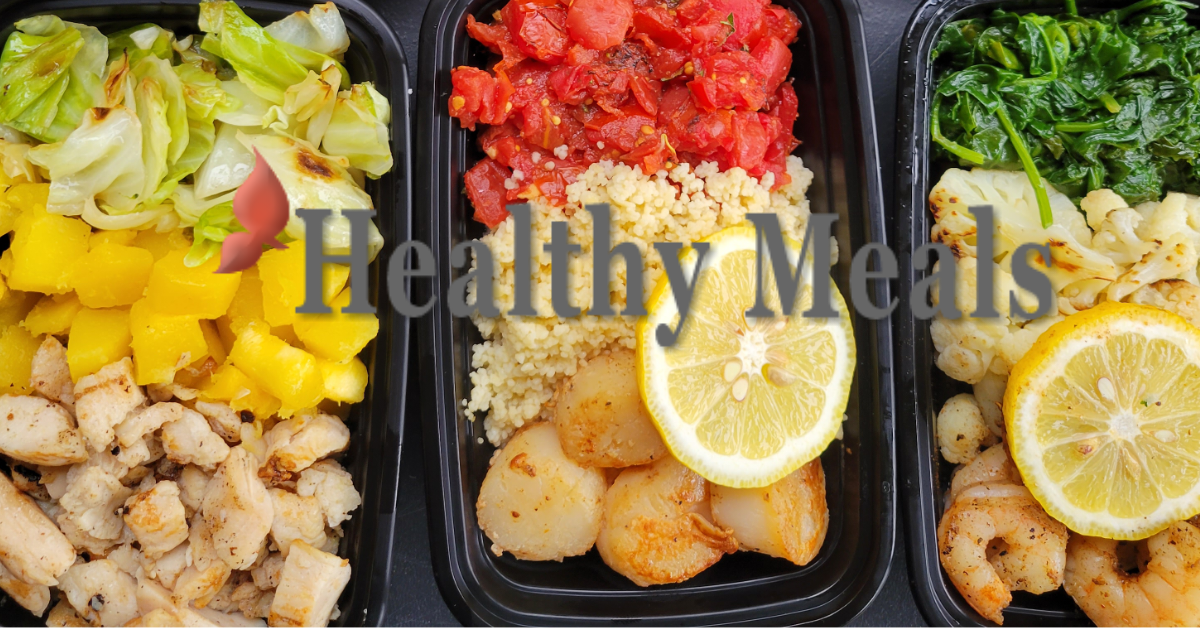
In today’s fast-paced society, it is not uncommon for people to overlook the importance of portion control in their daily meals. However, maintaining a balanced and healthy diet is crucial for optimal well-being. Portion control plays a significant role in managing weight, preventing overeating, and ensuring adequate nutrient intake. This essay explores the benefits of portion control.
- Understanding Portion Control:
Portion control refers to the mindful consumption of appropriate amounts of food at each meal. It helps individuals manage their caloric intake, maintain a healthy weight, and prevent the consumption of excess energy. By controlling portion sizes, individuals can achieve a balance between the energy they consume and the energy they expend. - Avoiding Overeating:
One of the major advantages of portion control is that it helps individuals avoid the common pitfall of overeating. In our culture of supersized portions and all-you-can-eat buffets, it is easy to lose track of how much we are eating. By practicing portion control, we can prevent the urge to overindulge, leading to better digestion and overall satisfaction from our meals. - Managing Weight:
Portion control is also essential for weight management. When we consume more calories than we burn, the excess energy gets stored as fat. By controlling portion sizes, we can create a calorie deficit if needed, aiding in gradual and sustainable weight loss. Additionally, incorporating a variety of nutrient-dense foods into appropriately sized portions ensures we receive all the necessary vitamins, minerals, and macronutrients our bodies require. - Ensuring Nutrient Balance:
In our pursuit of portion control, it is important to remember that our goal is not simply to restrict the quantity of food we eat, but to maintain a balanced diet. Paying attention to portion sizes allows us to achieve a well-rounded intake of essential nutrients. By including appropriate servings of fruits, vegetables, lean proteins, whole grains, and healthy fats, we can maximize our nutrient intake while restricting excess calories. - Practical Tips for Portion Control:
a. Use smaller plates and bowls to create a visual illusion of a satisfying portion.
b. Measure food portions using measuring cups, spoons, or a kitchen scale.
c. Focus on whole, unprocessed foods that are naturally portioned, such as single-size fruits or single-serving yogurt cups.
d. Be mindful of added sugars, unhealthy fats, and excessive sodium in processed foods, which often come in larger portions.
e. Practice mindful eating by savoring each bite, chewing thoroughly, and paying attention to satiety clues. - Adopting portion control as a dietary practice can greatly contribute to overall health and well-being. It not only prevents overeating and supports weight management but also ensures a balanced intake of essential nutrients. By implementing practical tips and strategies, individuals can make portion control a lifelong habit and enjoy the numerous benefits it offers. Remember, moderation is the key to a healthy lifestyle, and portion control is an important aspect of achieving that balance.

 Smart Food Solutions