

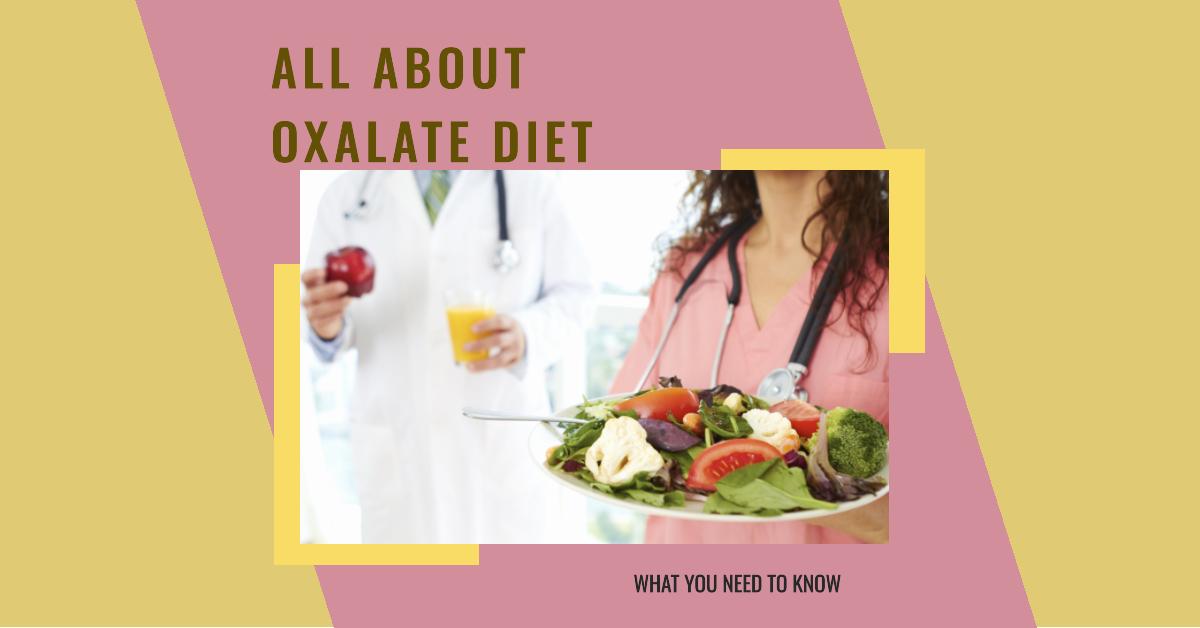
The oxalate diet is a dietary approach aimed at managing the intake of oxalates, naturally occurring compounds found in many foods. Oxalates are best known for their role in kidney stone formation, as high levels of these compounds can contribute to the development of kidney stones. This essay explores the concept of the oxalate diet, the foods that contain oxalates, the health implications of excessive oxalate consumption, and strategies for effectively managing oxalate intake.
Understanding Oxalates
Oxalates, or oxalic acid, are naturally occurring compounds found in a wide range of plant-based foods. They are derived from substances like oxalic acid and oxalate salts. Oxalates serve various functions in plants, including defense against herbivores and regulation of calcium levels. However, when consumed excessively by humans, oxalates can lead to health problems, primarily kidney stones.
Foods High in Oxalates
A variety of foods contain varying levels of oxalates. Some of the most common sources of oxalates include:
- Spinach
- Rhubarb
- Swiss chard
- Beets
- Sweet potatoes
- Nuts and seeds (e.g., almonds, peanuts)
- Chocolate
- Tea (especially black tea)
- Soy products
- Berries (e.g., strawberries, blueberries)
It’s important to note that while some foods are high in oxalates, others contain only trace amounts or are considered low-oxalate foods. These include most animal products (e.g., meat, dairy, eggs), grains, and certain fruits and vegetables (e.g., apples, grapes, carrots).
Health Implications of Excessive Oxalate Intake
- Kidney Stone Formation: High levels of oxalates in the urine can combine with calcium to form kidney stones. Kidney stones can cause severe pain, urinary tract infections, and even kidney damage if left untreated.
- Nutritional Concerns: Avoiding high-oxalate foods may inadvertently lead to a diet low in essential nutrients, as many high-oxalate foods also provide valuable vitamins, minerals, and fiber.
- Gastrointestinal Issues: Some individuals may experience digestive discomfort when consuming large amounts of high-oxalate foods, such as bloating, gas, or diarrhea.
Managing Oxalate Intake
- Awareness and Education: The first step in managing oxalate intake is becoming aware of the oxalate content in foods. Various resources and databases provide oxalate content information, allowing individuals to make informed choices.
- Moderation: While eliminating all high-oxalate foods from the diet is unnecessary for most individuals, moderation is key. Reducing the consumption of high-oxalate foods and balancing the diet with low-oxalate alternatives can help mitigate the risk of kidney stone formation.
- Adequate Hydration: Staying well-hydrated can help dilute the concentration of oxalates in the urine, reducing the risk of kidney stone formation. Adequate fluid intake is particularly important for individuals prone to kidney stones.
- Cooking and Preparation Methods: Some cooking and preparation methods, such as boiling and soaking, can reduce oxalate levels in certain foods. For example, boiling spinach can significantly decrease its oxalate content.
- Individualized Approach: It’s essential to consult with a healthcare professional or registered dietitian to develop a personalized dietary plan, especially for individuals with a history of kidney stones or specific dietary restrictions.
The oxalate diet is a dietary approach that aims to manage the intake of oxalates, naturally occurring compounds found in various foods. While it is essential to be aware of the potential health risks associated with excessive oxalate consumption, it is equally crucial to strike a balance between enjoying a diverse and nutritious diet and minimizing the risk of kidney stone formation. By educating themselves about oxalate content, practicing moderation, and seeking professional guidance when needed, individuals can effectively manage their oxalate intake and maintain overall health and well-being.

 Smart Food Solutions