

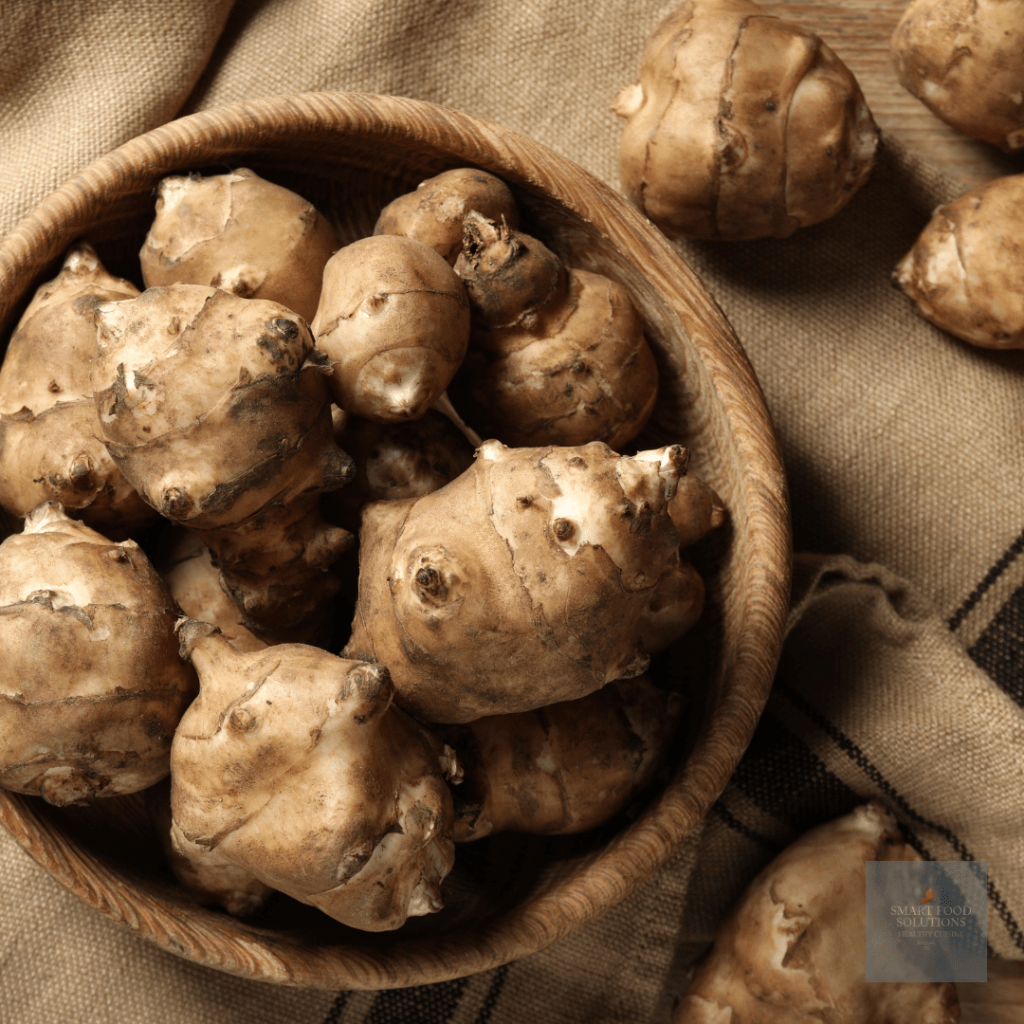
In recent years, there has been growing interest in the field of probiotics and their role in improving digestive health. Probiotics are live microorganisms that, when consumed in adequate amounts, confer numerous health benefits to the host. Sunchokes, also known as Jerusalem artichokes, have gained attention for their potential as a natural source of probiotics. This essay explores the emerging research on probiotics in sunchokes and its potential impacts on human health.
The Nutritional Profile of Sunchokes:
Sunchokes are root vegetables that belong to the sunflower family. They are rich in various nutrients, including dietary fiber, vitamins (particularly vitamin C), potassium, and iron. However, their true potential lies in their prebiotic content, specifically inulin. Prebiotics are non-digestible carbohydrates that selectively nourish beneficial gut bacteria, making them an ideal substrate for probiotic growth.
Probiotics in Sunchokes:
Sunchokes contain a unique combination of prebiotics and various strains of beneficial bacteria, making them a natural source of probiotics. The inulin content in sunchokes acts as a substrate for the growth of probiotic bacteria, such as Lactobacillus and Bifidobacterium species, which are associated with improved gut health.
- Enhancing Digestive Health:
Probiotics present in sunchokes can help maintain a healthy gut microbiome. These probiotics contribute to the production of short-chain fatty acids (SCFAs), particularly butyrate, which serves as an essential nutrient for the cells lining the colon. SCFAs regulate the intestinal epithelial barrier and help prevent inflammation and oxidative stress, potentially reducing the risk of gastrointestinal diseases. - Boosting Immune Function:
A significant portion of the immune system is located in the gut. Probiotics found in sunchokes can help modulate the immune response, improving its ability to defend against infections and reducing the risk of immune-related disorders. Additionally, maintaining a diverse and balanced gut microbiota has been linked to enhanced immune function. - Enhancing Nutrient Absorption:
The presence of probiotics in sunchokes aids in the breakdown of complex carbohydrates, increasing the availability of nutrients for absorption. This improved nutrient absorption contributes to overall health and well-being.
Potential Considerations:
While sunchokes have shown promise as a natural source of probiotics, it is essential to consider certain factors before incorporating them into the diet:
- Individual Tolerance: Some individuals may experience gastrointestinal symptoms, such as gas or bloating, when consuming sunchokes or other foods high inulin. Gradually incorporating sunchokes into the diet and monitoring individual tolerance is advisable.
- Balancing Gut Microbiota: While probiotics in sunchokes can enhance gut health, maintaining a diverse range of beneficial bacteria is also crucial. This can be achieved through a varied and balanced diet, including other probiotic-rich foods.
Sunchokes, with their high inulin content, represent a natural source of probiotics that can potentially enhance gut health, improve immune function, and enhance nutrient absorption. Incorporating sunchokes into one’s diet, alongside a varied and balanced intake of other prebiotic and probiotic-rich foods, may contribute to overall well-being and digestive health. However, individual tolerance and the importance of maintaining a diverse gut microbiota should be considered. Further research is needed to fully understand the potential therapeutic benefits of probiotics in sunchokes and their optimal consumption levels for optimal health promotion.

 Smart Food Solutions