
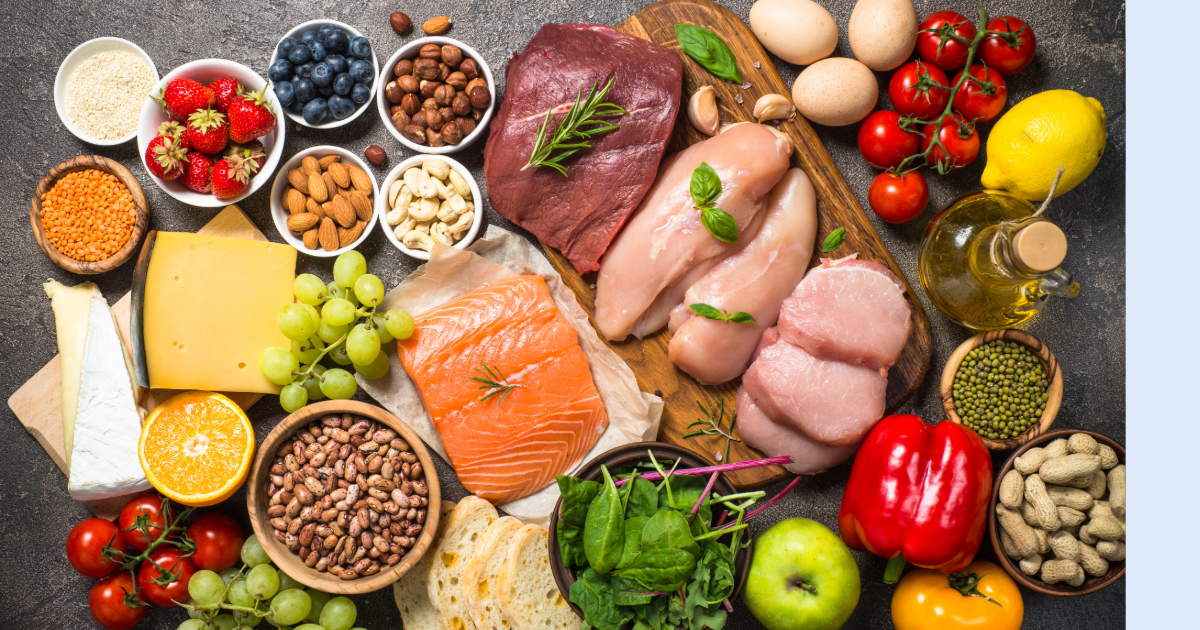
The relationship between dietary fat consumption and the body’s ability to burn fat has long been a topic of interest in the field of nutrition and metabolism. While the notion of eating fat to burn fat may seem counterintuitive at first glance, emerging research suggests a complex interplay between dietary fat, oxygen utilization, and the body’s metabolic processes. This essay explores the intricate relationship between eating fat and the role of oxygen in promoting the efficient burning of fat.
Dietary Fat and Metabolism:
Dietary fats are essential macronutrients that play a crucial role in various physiological functions, including energy storage, hormone production, and cellular structure. Fats are classified into saturated, unsaturated, and trans fats, each with distinct effects on health. Consuming a balanced amount of healthy fats, such as those found in avocados, nuts, and olive oil, is associated with numerous health benefits, including improved cardiovascular health and enhanced satiety.
Contrary to the traditional belief that eating fat leads to fat accumulation, recent studies indicate that the type and quality of dietary fat consumed can influence metabolic processes, including the body’s ability to burn stored fat for energy. Unsaturated fats, particularly omega-3 fatty acids, have been shown to promote lipid metabolism and reduce inflammation, fostering an environment conducive to fat oxidation.
Oxygen and Fat Metabolism:
Oxygen is a critical component in the process of fat metabolism, specifically in a cellular process known as oxidative phosphorylation. This process occurs within mitochondria, the powerhouse of cells, where oxygen is used to convert nutrients, including fats, into adenosine triphosphate (ATP), the primary energy currency of the cell. Adequate oxygen availability is essential for the efficient breakdown of fatty acids and subsequent ATP production.
Exercise, which increases oxygen consumption, has been widely recognized as a key factor in promoting fat oxidation. Regular physical activity enhances mitochondrial function, increases oxygen delivery to tissues, and improves the body’s ability to utilize fats as a fuel source. The combination of a balanced diet rich in healthy fats and regular exercise synergistically contributes to an optimal environment for fat metabolism.
The Synergy between Dietary Fat and Oxygen:
The interplay between dietary fat and oxygen becomes evident in the context of a well-rounded and healthy lifestyle. While dietary fats provide the necessary substrate for energy production, oxygen acts as the facilitator in the intricate biochemical processes that lead to fat metabolism. The synergy between the two factors is particularly pronounced during physical activity, where increased oxygen consumption enhances the body’s capacity to burn stored fats.
In conclusion, the relationship between eating fat and the body’s ability to burn fat is a nuanced interplay between dietary choices, oxygen utilization, and metabolic processes. A balanced diet that includes healthy fats, combined with regular physical activity, creates an optimal environment for efficient fat metabolism. Rather than viewing fat as an adversary, understanding and harnessing the synergy between dietary fat and oxygen can contribute to overall health and well-being. As research in this field continues to evolve, a comprehensive approach to nutrition and exercise remains key to unlocking the full potential of the human body’s fat-burning capabilities.

 Smart Food Solutions