

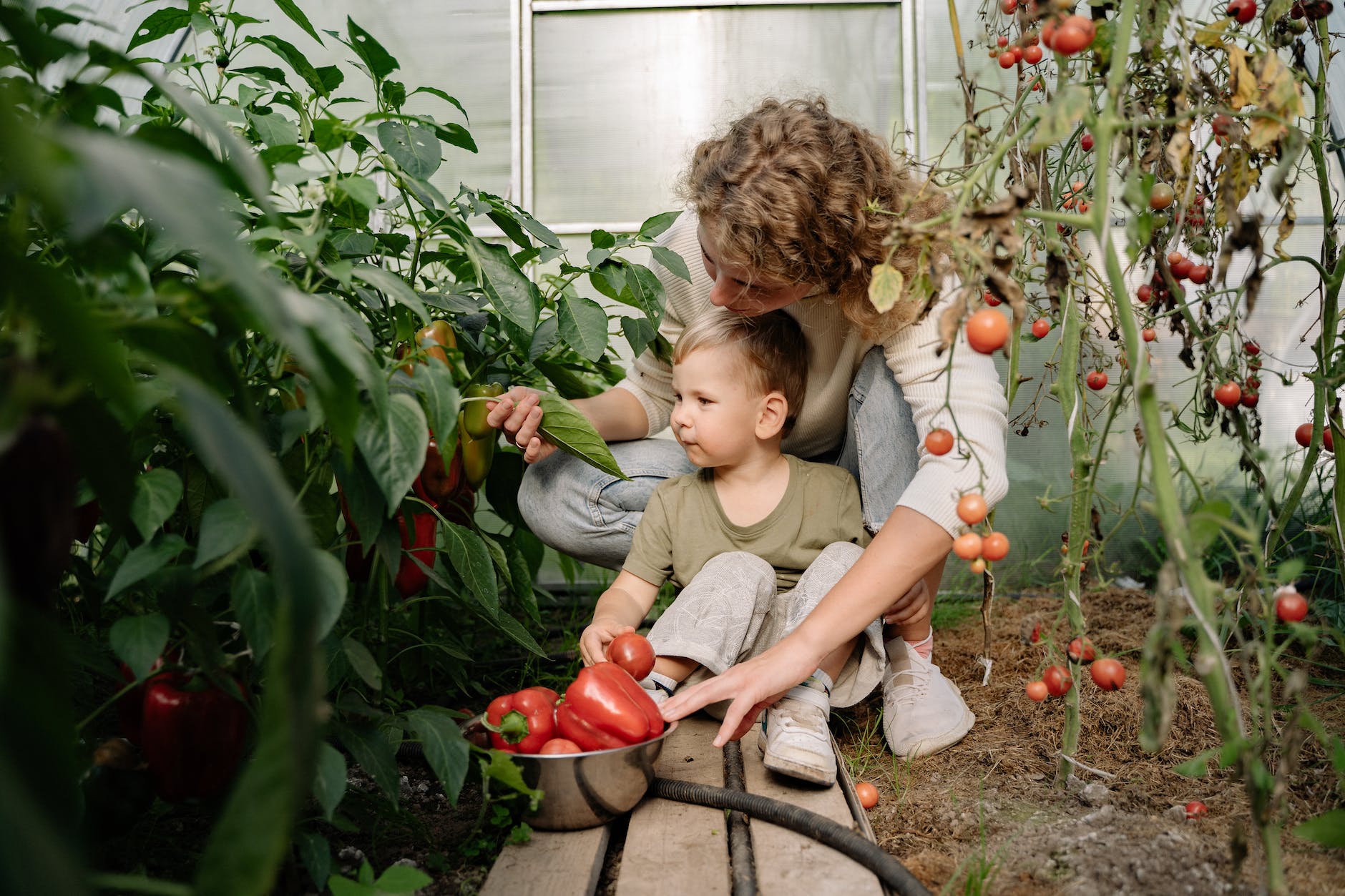
Encouraging kids to eat healthy can be a rewarding process that sets the foundation for lifelong habits. Here are some strategies to promote healthy eating in children, along with suggestions for what they should eat:
Strategies to Encourage Healthy Eating:
- Lead by Example:
Children are more likely to adopt healthy habits if they see adults around them practicing those habits. Model healthy eating by incorporating a variety of fruits, vegetables, whole grains, and lean proteins into your own diet. - Involve Kids in Meal Planning:
Allow children to participate in meal planning and preparation. This involvement gives them a sense of autonomy and may make them more excited about trying new foods. - Make Healthy Food Fun:
Presenting healthy foods in a fun and visually appealing way can capture a child’s interest. Create colorful, imaginative presentations and use creative names for dishes to make the experience enjoyable. - Educate about Nutrients:
Teach kids about the importance of different nutrients and how they contribute to their growth and well-being. Simple explanations about the benefits of fruits, vegetables, and other healthy foods can be empowering. - Limit Processed Foods and Sugary Drinks:
Reduce the availability of processed snacks and sugary drinks in the house. Encourage water as the primary beverage and reserve sugary treats for special occasions. - Offer Variety:
Introduce a variety of foods to expand their taste preferences. Rotate different fruits, vegetables, and proteins to ensure a well-rounded diet. This also prevents monotony and keeps meals interesting. - Set a Routine:
Establish regular meal and snack times. Consistent routines can help regulate hunger and create a sense of structure around eating, reducing the likelihood of mindless snacking. - Encourage Mindful Eating:
Teach kids to eat slowly and savor their food. Discourage distractions such as screens during mealtime, fostering a connection between the child and their food.
What Kids Should Eat:
- Fruits and Vegetables:
Aim for a variety of colorful fruits and vegetables. These provide essential vitamins, minerals, and fiber. Examples include apples, berries, carrots, and broccoli. - Whole Grains:
Opt for whole grains like brown rice, whole wheat bread, and oats. These grains offer more nutrients and fiber compared to refined grains. - Lean Proteins:
Include sources of lean protein such as chicken, turkey, fish, tofu, and legumes. Protein is crucial for growth and development. - Dairy or Dairy Alternatives:
Ensure adequate calcium intake through dairy or fortified dairy alternatives like yogurt, cheese, or fortified plant-based milks. - Nuts and Seeds:
Provide nuts and seeds as healthy snacks. They are rich in healthy fats, protein, and essential nutrients. - Water:
Encourage water as the primary beverage. Limit sugary drinks and sodas, as they contribute to excess sugar intake and can impact overall health.
Remember, the key is to make healthy eating a positive and enjoyable experience. Patience, consistency, and a supportive environment go a long way in instilling healthy eating habits in children.

 Smart Food Solutions