

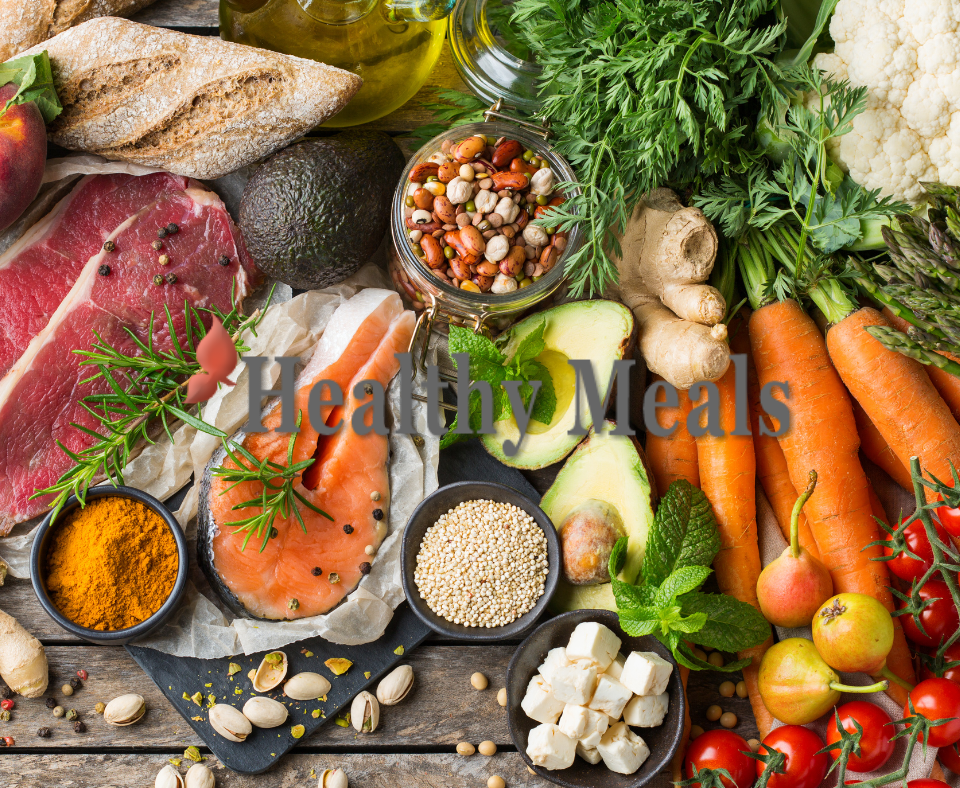
Food has always been recognized for its ability to nourish the body, but its influence on mental health is increasingly being acknowledged. The relationship between food and mental well-being is intricate and multifaceted. Some foods foster the growth of beneficial bacteria, contributing to mental health, while others hinder it. This essay explores the dual nature of food as a potent mental health medicine and a potential source of distress, highlighting the importance of dietary choices in promoting psychological well-being.
The Positive Influence of Food on Mental Health:
Certain foods serve as catalysts for the growth of helpful bacteria in the gut, thereby positively impacting mental health. Probiotics, found in fermented foods like yogurt, kefir, and kimchi, introduce beneficial bacteria into the gut, which can alleviate symptoms of anxiety and depression. Additionally, prebiotics, present in foods like garlic, onions, and bananas, provide nourishment for these beneficial bacteria, promoting their growth and diversity. By maintaining a healthy balance of gut microbiota, these foods contribute to improved mood and cognitive function.
Furthermore, nutrient-rich foods such as fruits, vegetables, whole grains, and fatty fish contain vitamins, minerals, and omega-3 fatty acids that support brain health. Consuming a diet rich in these nutrients has been associated with a reduced risk of depression and other mental health disorders. Moreover, dietary interventions focused on promoting a balanced microbiome and nutrient intake have shown promising results in managing symptoms comparable to pharmaceutical interventions, but with fewer side effects and lower costs.
The Dark Side of Food: Negative Effects on Mental Health:
Conversely, certain food groups and eating patterns can disrupt the delicate balance of the gut microbiome, leading to adverse effects on mental health. Highly processed foods laden with artificial additives, sugars, and unhealthy fats can promote inflammation and oxidative stress in the body, contributing to mood disorders and cognitive decline. Moreover, diets high in refined carbohydrates and saturated fats have been linked to an increased risk of depression and anxiety.
Additionally, excessive consumption of alcohol, caffeine, and sugary beverages can disrupt sleep patterns and exacerbate symptoms of anxiety and depression. Furthermore, irregular eating patterns, such as skipping meals or erratic eating schedules, can disrupt the circadian rhythm and impair neurotransmitter function, leading to mood swings and irritability.
In conclusion, food plays a pivotal role in shaping mental health, acting both as a powerful medicine and a potential source of harm. By choosing foods that promote the growth of beneficial bacteria and provide essential nutrients, individuals can support their mental well-being and reduce the risk of mood disorders. Conversely, avoiding foods that disrupt the gut microbiome and adopting healthy eating patterns is essential for preserving mental health. As our understanding of the gut-brain connection continues to evolve, harnessing the therapeutic potential of food offers a promising avenue for promoting psychological resilience and well-being.

 Smart Food Solutions