

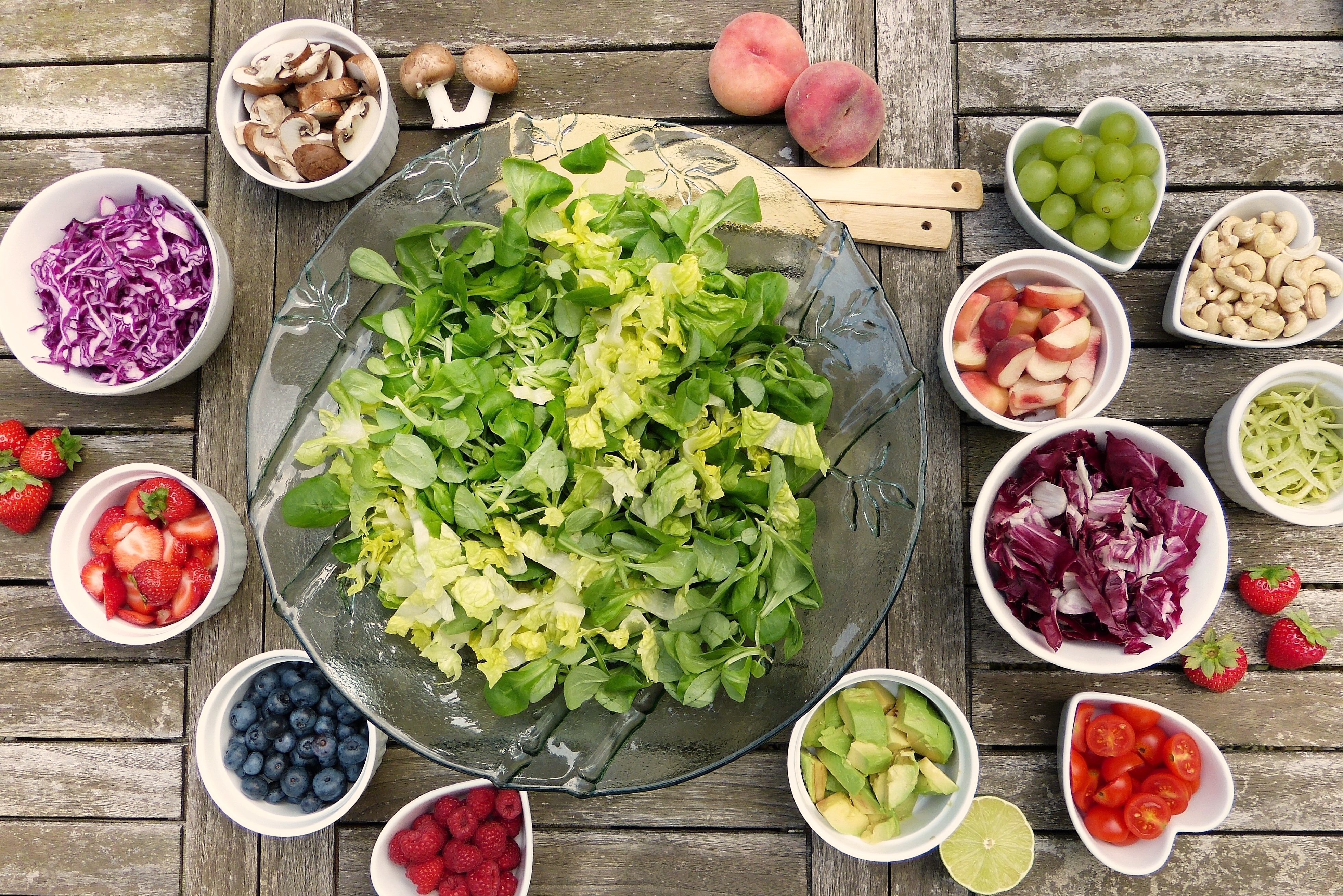
Eating seasonally is a practice deeply rooted in our history, and it holds profound importance in our modern world. While global supply chains have made it possible to access fruits and vegetables from all corners of the globe year-round, there are compelling reasons to embrace the idea of eating what is in season. This essay explores the multifaceted importance of eating seasonal produce, focusing on its benefits for our health, the environment, and local economies.
- Nutritional Benefits
Consuming fruits and vegetables that are in season is not only a culinary pleasure but also a significant boon to our health. Seasonal produce is often harvested at the peak of ripeness, which ensures that it contains optimal levels of essential nutrients. For instance, a tomato picked in the summer months typically boasts more vitamins, minerals, and antioxidants than one picked out of season and shipped from far away. Seasonal fruits and vegetables are nature’s way of providing us with the nutrients we need when our bodies require them the most. In addition, the freshness of seasonal produce enhances its taste and aroma, making it more appealing and enjoyable for consumers.
- Environmental Sustainability
One of the most compelling reasons to eat seasonally is the positive impact it has on the environment. The modern food industry, with its extensive transportation networks and refrigeration systems, is a significant contributor to greenhouse gas emissions. By choosing seasonal produce, we can reduce the carbon footprint associated with our food. When food doesn’t have to travel long distances to reach our plates, it requires less energy and resources for transportation and preservation. This reduces the environmental impact and helps combat climate change. Furthermore, seasonal eating encourages the preservation of local biodiversity, as it supports the cultivation of a wider variety of crops that are well-suited to local climates.
- Supporting Local Economies
Eating seasonally also contributes to the vitality of local economies. When we purchase food grown by local farmers, we support their livelihoods and the overall stability of the community. In contrast, relying on non-seasonal produce that is imported from distant locations can harm local agricultural industries. By choosing seasonal fruits and vegetables, consumers play an active role in promoting sustainable agriculture and fostering connections within their communities. This, in turn, strengthens the bond between producers and consumers, leading to a more robust and resilient food system.
- Reducing Food Waste
Food waste is a critical issue globally, with a significant portion of it attributable to the disposal of spoiled or uneaten produce. Eating seasonally can help combat this problem. When we buy and consume what’s in season, we are more likely to finish our food before it spoils, as seasonal produce tends to be fresher and more appealing. This practice not only reduces personal food waste but also promotes more efficient and sustainable food systems, ultimately reducing the overall waste of agricultural resources.
- Economic Benefits for Consumers
Eating seasonally can also offer economic benefits to consumers. Seasonal produce is often more affordable because it requires less artificial intervention, such as greenhouse cultivation or excessive energy use, which can drive up prices. Additionally, when local markets are in abundance with a particular seasonal product, it tends to be offered at a lower cost. As a result, individuals who choose seasonal eating may find that they can enjoy healthy, high-quality produce without breaking the bank.
Eating seasonally is a practice that offers a wide range of benefits, from enhancing our health and reducing our environmental impact to supporting local economies and reducing food waste. It is a sustainable and ethical choice that connects us more closely to the cycles of nature and the communities in which we live. By adopting this simple yet powerful habit, individuals can play a role in creating a healthier, more sustainable, and more connected world. In a time when environmental consciousness and personal well-being are paramount, eating seasonally is an accessible and meaningful way to make a positive impact.

 Smart Food Solutions