

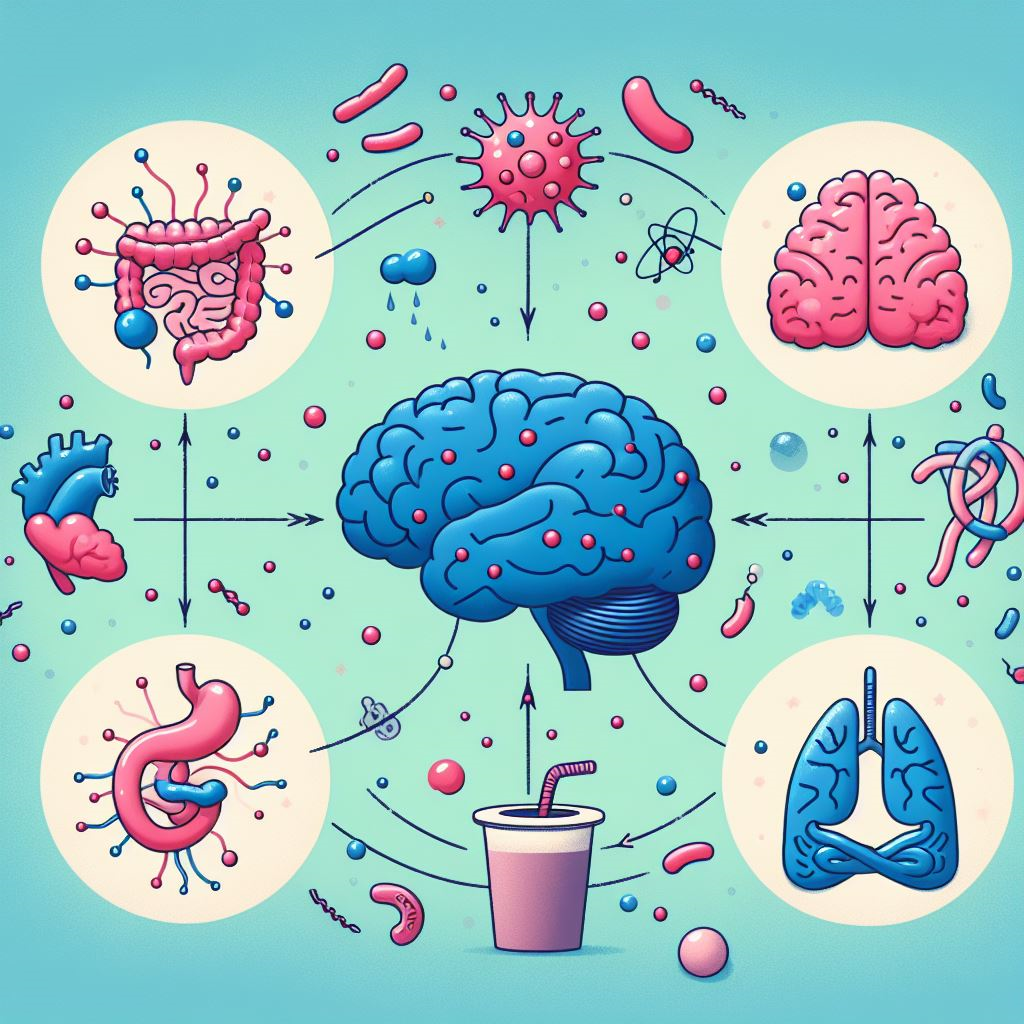
The intricate relationship between food and the vagus nerve, a crucial component of the autonomic nervous system, has garnered increasing attention in recent years. The vagus nerve, often dubbed the “wandering nerve,” extends from the brainstem to the abdomen, playing a pivotal role in regulating various bodily functions, including digestion, satiety, and mood. This essay delves into the fascinating interplay between food and the vagus nerve, shedding light on how this relationship influences our physiological and psychological well-being.
The Vagus Nerve: A Master Regulator:
The vagus nerve, the longest of the cranial nerves, serves as a vital communication highway between the brain and the body. It comprises both sensory and motor fibers, allowing bidirectional signaling between the brain and various organs. Among its myriad functions, the vagus nerve governs digestion, controlling the secretion of gastric juices, peristalsis, and nutrient absorption. Moreover, it plays a pivotal role in the gut-brain axis, influencing mood, cognition, and even behavior.
The Vagus Nerve and Food Consumption:
The vagus nerve acts as a key mediator in the complex feedback loop regulating food intake. Sensory fibers within the vagus nerve detect changes in the gastrointestinal tract, relaying signals to the brain regarding satiety levels, nutrient availability, and the presence of toxins. Consequently, activation of the vagus nerve can induce feelings of fullness and satiety, modulating food intake and preventing overeating. Conversely, dysfunction of the vagus nerve may lead to dysregulated appetite, contributing to conditions such as obesity and eating disorders.
Moreover, the vagus nerve plays a crucial role in taste perception, transmitting signals from taste buds to the brain, thereby influencing food preferences and eating behavior. Additionally, emerging research suggests that the vagus nerve may contribute to the phenomenon of “gut feelings,” whereby gut microbiota interact with the nervous system to modulate mood and emotional states.
The Vagus Nerve and Nutrient Sensing:
Beyond its role in regulating food intake, the vagus nerve also participates in nutrient sensing and metabolism. Sensory fibers within the vagus nerve detect changes in nutrient levels, such as glucose and fatty acids, signaling the brain to initiate appropriate metabolic responses. Dysfunction of this nutrient-sensing mechanism may contribute to metabolic disorders, such as diabetes and obesity.
Furthermore, emerging evidence suggests that the vagus nerve interacts with the gut microbiota, the diverse community of microorganisms residing in the gastrointestinal tract. This crosstalk between the vagus nerve and gut microbiota influences various aspects of health, including immune function, inflammation, and metabolism. Notably, certain dietary factors, such as fiber and prebiotics, can modulate the gut microbiota composition, thereby indirectly affecting vagal signaling and overall health.
Clinical Implications and Future Directions:
Understanding the intricate relationship between food and the vagus nerve holds significant implications for clinical practice and therapeutic interventions. Targeted modulation of vagal activity through dietary interventions, such as mindful eating, fiber supplementation, and probiotic therapy, may offer promising avenues for managing obesity, eating disorders, and metabolic disorders.
Furthermore, advancing our knowledge of vagal signaling pathways and their interaction with dietary factors could pave the way for novel treatments for gastrointestinal disorders, mood disorders, and neurodegenerative diseases. Additionally, leveraging emerging technologies, such as vagus nerve stimulation, holds promise for modulating vagal activity and improving overall health outcomes.
In conclusion, the relationship between food and the vagus nerve exemplifies the intricate interplay between diet, physiology, and neural regulation. The vagus nerve serves as a master regulator of food intake, nutrient sensing, and gut-brain communication, exerting profound influences on both our physical and emotional well-being. As research in this field continues to evolve, harnessing the therapeutic potential of vagal modulation may offer new avenues for promoting health and combating disease in the modern era of nutrition and neuroscience.

 Smart Food Solutions